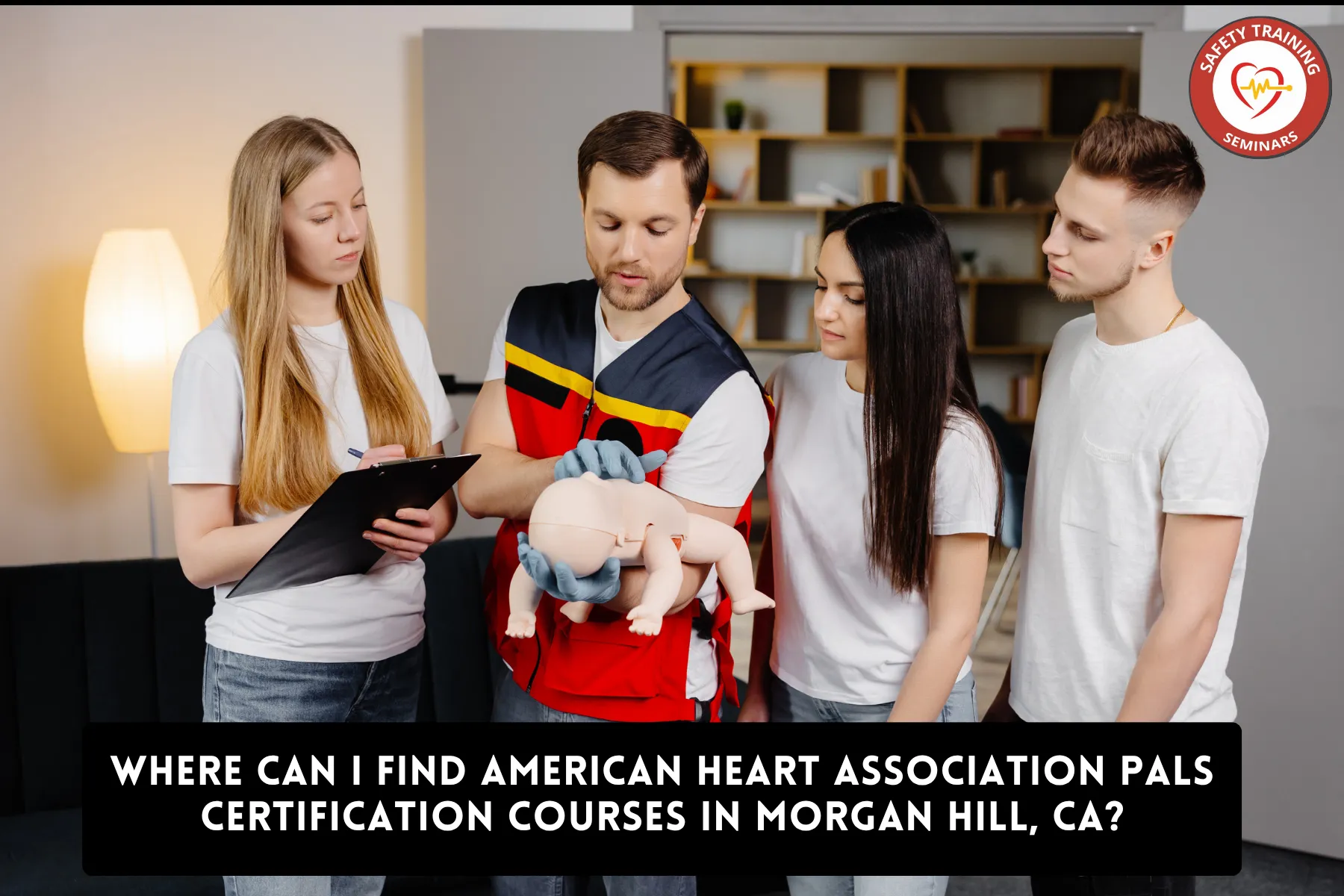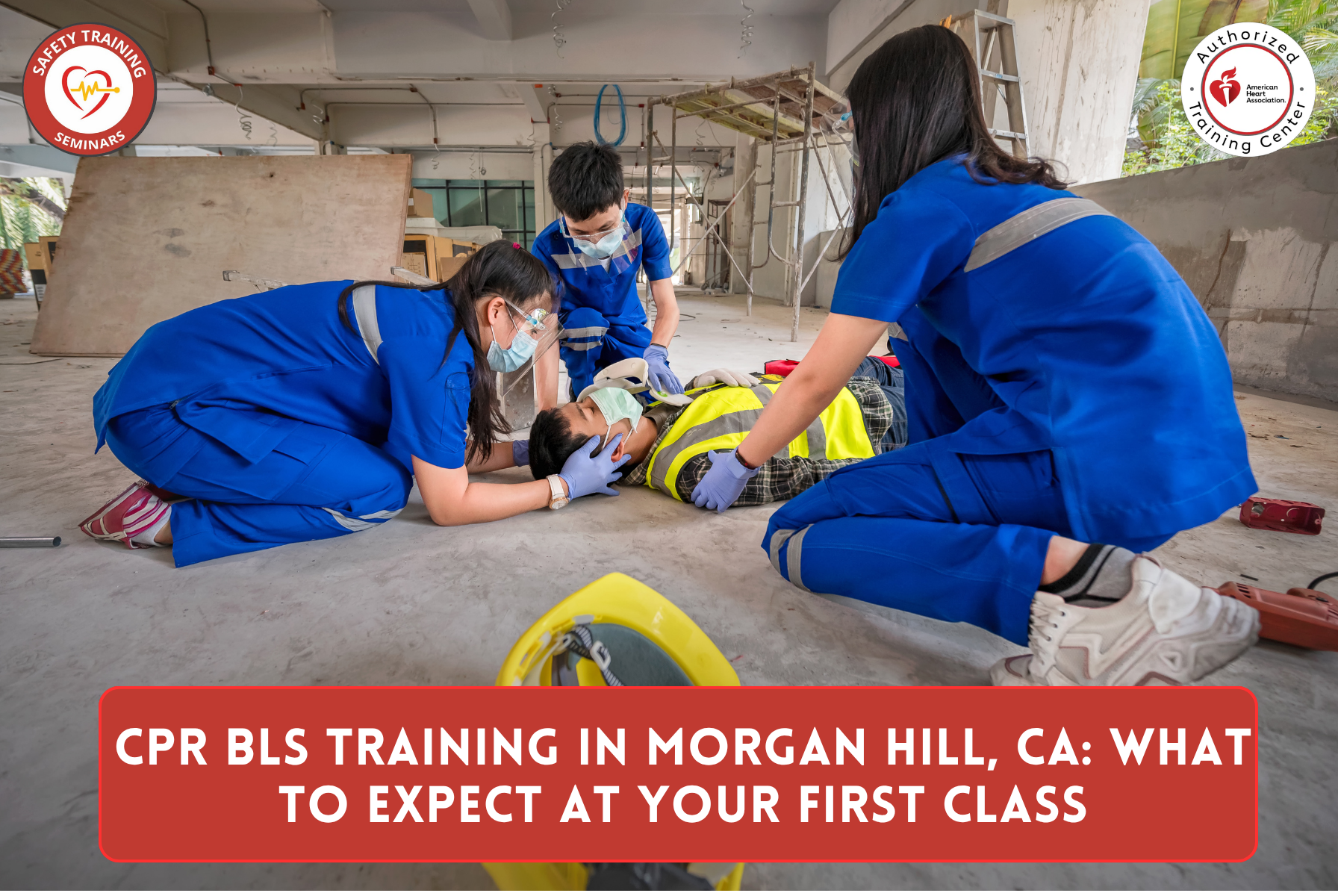
Walking into your first CPR or BLS class in Morgan Hill, CA is easier when you know how the session is organized. Most courses combine instruction, demonstrations, hands-on practice, and a skills check. Depending on the class, you may practice chest compressions, rescue breaths, automated external defibrillator use, choking response, or coordinated work with another rescuer.
First, confirm that you registered for the correct course. Healthcare professionals and clinical students commonly need BLS, while teachers, childcare providers, fitness staff, workplace teams, parents, and caregivers may need CPR/AED or First Aid CPR AED. Your employer, school, licensing board, or program should identify the required course and card.
Key Takeaway: Expect an active class, not a lecture-only session. Review your registration details, complete assigned online work, and arrive ready to practice physical skills.
Start by Confirming the Course Requirement
A BLS CPR Certification Course is commonly intended for healthcare professionals and students who may respond to cardiac or breathing emergencies in patient-care settings. It generally includes adult, child, and infant CPR, AED use, ventilation, choking response, and team-based resuscitation.
General CPR/AED training is usually designed for non-clinical participants. First Aid CPR AED courses add basic care for common illnesses and injuries. These options may fit teachers, coaches, childcare providers, workplace safety teams, fitness professionals, parents, or caregivers.
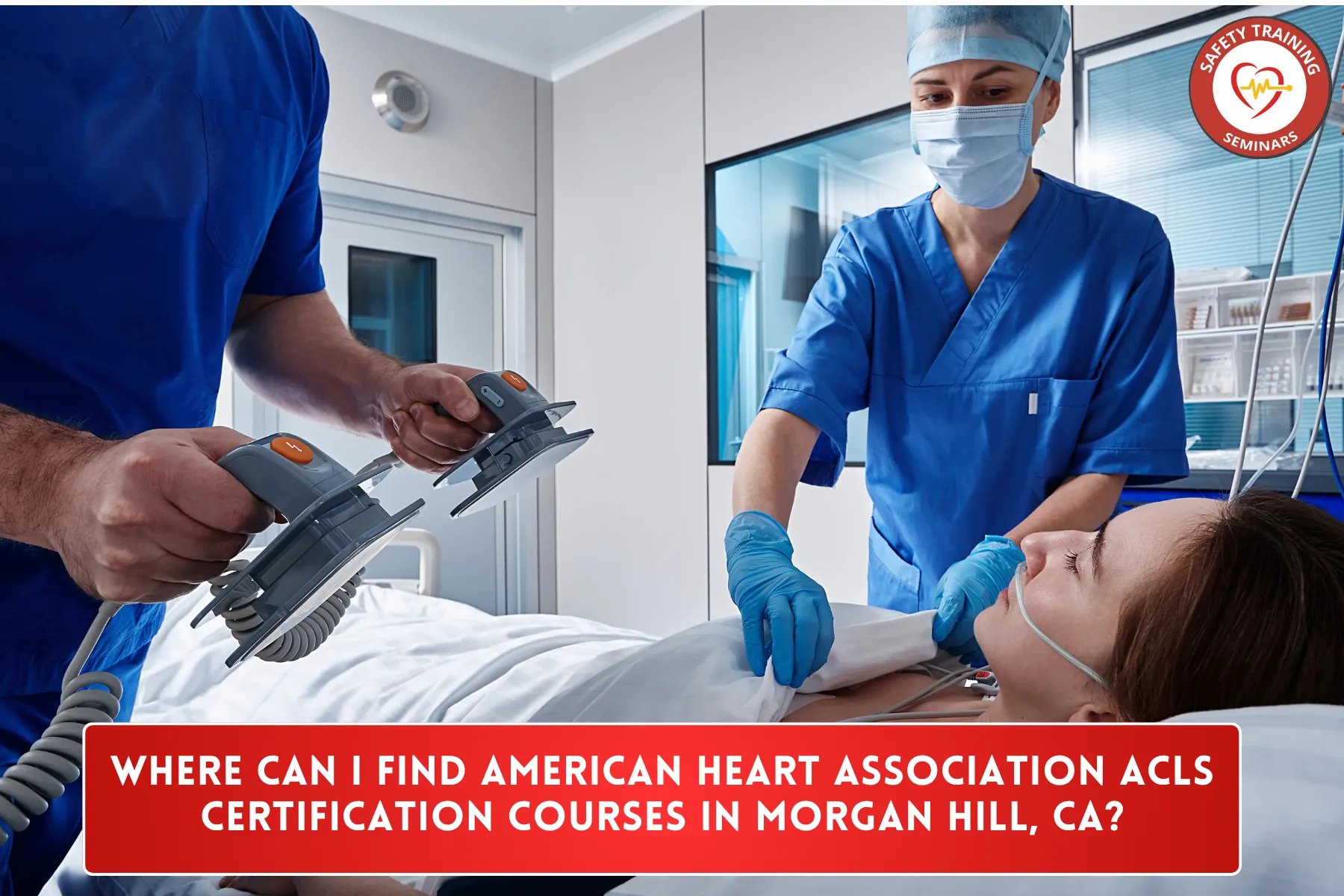
Advanced courses serve narrower professional needs. ACLS relates to advanced cardiovascular emergency care, PALS focuses on pediatric emergencies, and NRP relates to neonatal resuscitation. Select one only when your role or program requires it.
Professionals who work or study farther north can compare CPR, BLS, ACLS, and PALS course options in Campbell after confirming which certification they need.
What Happens When the Class Begins?
The opening part of class usually introduces the training process, equipment, practice sequence, and completion requirements. Blended-learning students may also need to show that the online portion is finished.
Pay attention to how each skill will be evaluated. CPR training is performance-based, so you must demonstrate the required steps rather than only remember definitions.
First-time students are not expected to arrive with perfect technique. You will see the sequence, practice it, and correct errors before the final skills check.
The Hands-On Skills You May Practice
The exact content depends on the selected course, but most CPR and BLS classes focus on recognizing an emergency and responding in an organized sequence.
Chest Compressions and Rescue Breaths
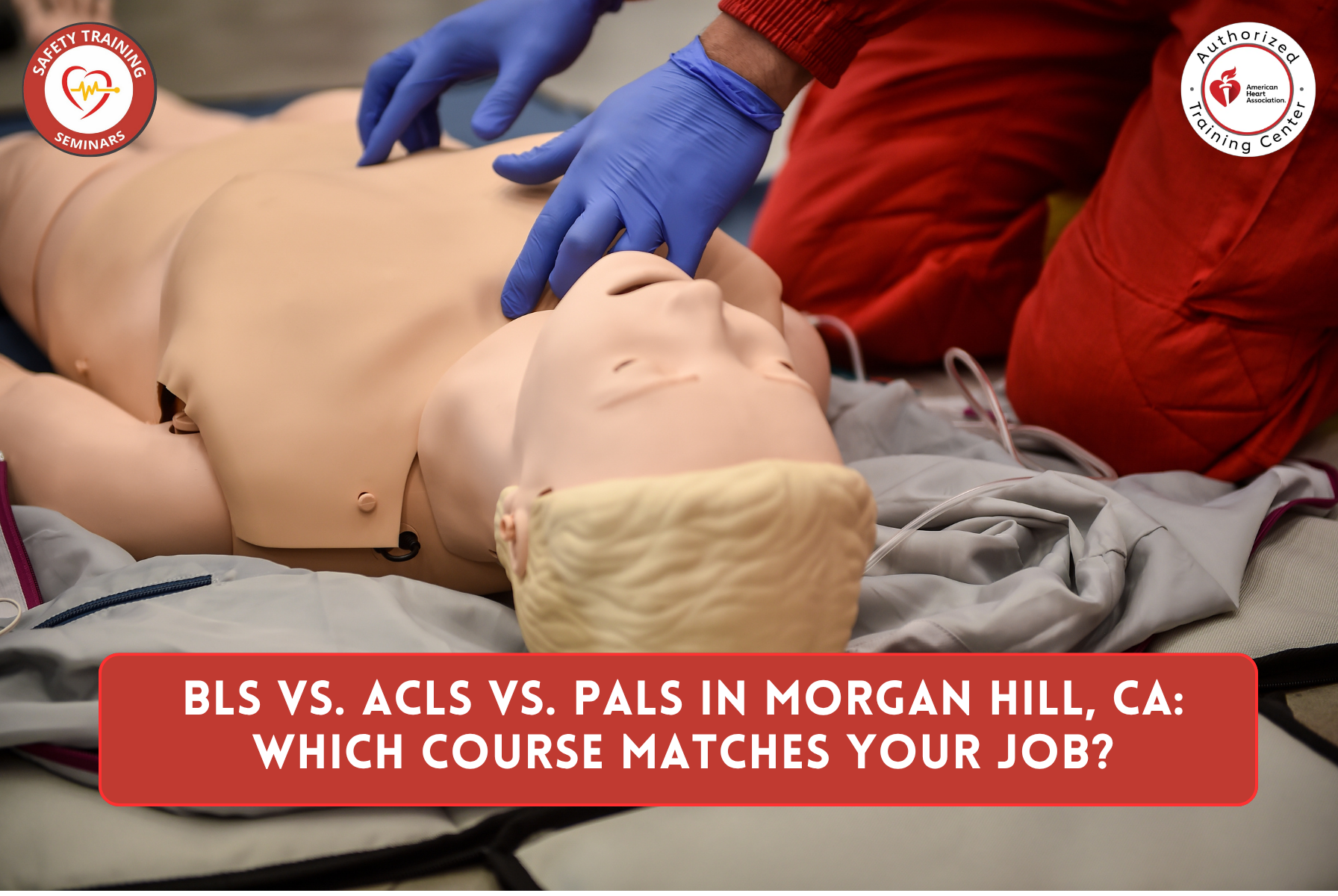
You may practice checking responsiveness, calling for help, positioning your hands, and performing chest compressions on a training manikin. Some courses also require rescue breaths or ventilation.
This part involves kneeling and repeated upper-body movement, so wear comfortable clothing.
Automated External Defibrillator Use
AED training teaches you how to turn on the device, place the pads, follow its prompts, and keep others clear during rhythm analysis or a simulated shock. Training AEDs allow practice without delivering a real shock.
Choking and Team Response
Depending on the course, you may learn how to recognize severe choking and respond to adults, children, or infants. Healthcare-oriented BLS may also include two-rescuer scenarios involving compressions, ventilation, AED operation, and clear communication.
Classroom and Blended Training Feel Different
A classroom course places instruction and hands-on practice in the same session. Students move through demonstrations, guided exercises, and assessments with the required equipment on site.
Blended learning separates the knowledge portion from the physical skills session. You complete assigned online material first, then attend a scheduled session to demonstrate the skills.
An online module should not automatically be treated as complete certification. When hands-on verification is required, the online portion is only one part of the process. Confirm the format accepted by your employer or school before registering.
How the Skills Check Works
A skills check usually asks you to demonstrate the course sequence on a training manikin and related equipment. Depending on the program, you may also complete a knowledge assessment.
During practice, you might receive feedback about hand placement, compression technique, ventilation, AED steps, or the order of actions. Repeating a sequence is normal and gives you a chance to improve.
A card or eCard is generally issued only after all required portions are completed. Review the registration details so you know whether the process includes online work, a practical session, a written component, or several steps.
What to Bring and How to Prepare
Your confirmation email or registration page should be your main source for class-specific instructions. Before leaving for training:
- Confirm the course title, date, time, and location.
- Complete assigned online modules or prework.
- Save proof of completion if required.
- Bring identification when requested.
- Check whether course materials are needed.
- Wear clothing suitable for kneeling and movement.
- Confirm how your name should appear on the card.
Students renewing a certification should also check whether they must bring their current card. Renewal prerequisites can vary.
Morgan Hill Training for South County Learners
Morgan Hill classes may serve nurses, nursing students, medical assistants, dental staff, teachers, childcare workers, coaches, workplace teams, parents, and caregivers across southern Santa Clara County.
Gilroy residents who prefer a closer option can review CPR and BLS certification classes in Gilroy while keeping the required course and card type in mind.
People may also travel from Los Gatos, Monte Sereno, Milpitas, Campbell, or Cupertino. The most useful location is the one that offers the exact course and format requested by your organization.
For example, a nursing student may need BLS, while a parent in the same community may prefer a general CPR/AED course. Living in the same area does not mean both students need the same certification.
Planning Your Training with Safety Training Seminars
Safety Training Seminars offers course options at its Morgan Hill CPR training center at 17760 Monterey Road, Suite C-3, Morgan Hill, CA 95037.
Before enrolling, review the course title, audience, format, online requirements, skills-session process, current registration information, and card type. This helps prevent registering for a useful course that does not satisfy an employer or school requirement.
Students who divide their time between South County and Silicon Valley can also compare CPR and healthcare certification courses in Cupertino after identifying the correct program.
Frequently Asked Questions
Do I Need Previous Experience for My First BLS Class?
Usually, an initial BLS course is designed for students who do not currently hold a BLS card, but prerequisites vary. Advanced courses may require additional knowledge or an existing certification. Confirm the requirement with your employer, school, or program.
Will I Have to Demonstrate CPR Skills?
Yes. Expect to demonstrate CPR using a training manikin. The class setup may vary, but practical evaluation is a normal part of skills-based certification. Focus on following the sequence and applying feedback.
Can I Complete BLS Entirely Online?
Not when the required program includes hands-on skills verification. Blended learning may place the knowledge portion online, but you still need to complete the practical component. Confirm that your organization accepts the selected format.
What Should I Wear to a CPR Class in Morgan Hill?
Wear comfortable clothing that allows you to kneel, bend forward, and move your arms freely. Check your confirmation message for any additional class-specific instructions.
Can Someone from Gilroy or Campbell Attend in Morgan Hill?
Yes. Students are not usually limited to training in the city where they live. The deciding factors should be the required course, accepted format, available session, and correct completion card.
What Should I Check Before Registering?
Confirm the exact course name, audience, format, prework, hands-on component, and card type. Requirements may differ by employer, school, licensing board, or clinical program, so request clarification when the wording is unclear.
Arrive Ready to Learn by Doing
Your first CPR or BLS class in Morgan Hill will involve more than listening. Expect demonstrations, repeated practice, equipment use, feedback, and a practical skills check.
Prepare by confirming the correct course, completing assigned prework, wearing suitable clothing, and reading the registration instructions. Healthcare professionals and clinical students commonly need BLS, while non-clinical participants may need CPR/AED or First Aid CPR AED.
Safety Training Seminars provides a local Morgan Hill training option. Review the relevant course and location details before enrolling so the class matches your certification requirement.