Between the vineyards south of San Jose and the daily push up Highway 101 into Silicon Valley, Morgan Hill has grown into a community of families, small-business teams, and healthcare workers who often have to certify on someone else’s timetable. For many of them, American Heart Association (AHA) Self-Guided Learning is the piece that makes recertification realistic. It separates the classroom knowledge from the physical skills, letting you study online whenever a free hour opens up, then complete the required hands-on portion in person. This article covers how that format works for BLS, ACLS, PALS, CPR, AED, and First Aid, which course lines up with which job, and how a learner in Morgan Hill, California can choose the right one instead of paying for a class that doesn’t count.
Key takeaway: With AHA Self-Guided Learning, you finish the educational portion on your own and complete any required hands-on skills check in person — flexible, but it doesn’t remove the physical requirement. Which course you need is set by your profession, employer, or school, so confirm that before signing up.
How AHA Self-Guided Learning Works
Think of Self-Guided Learning as two connected parts. The first is the cognitive coursework, usually an adaptive online module you move through at your own speed. The second, for provider-level courses, is a hands-on skills session completed in person on equipment that gives real-time feedback — often at an AHA CPR Verification Station learning center. You’re certified only after the skills portion is finished.
A typical sequence runs like this:
- Choose the course tied to your role or requirement.
- Work through the online knowledge module on your own schedule.
- Book and attend the in-person skills session where it’s required.
- Demonstrate the skills check for provider courses.
- Collect your course completion card or provider eCard after passing.
Because specifics shift from course to course, check the exact steps for the class you plan to take.
Which Courses Fit This Format
CPR, AED, and First Aid
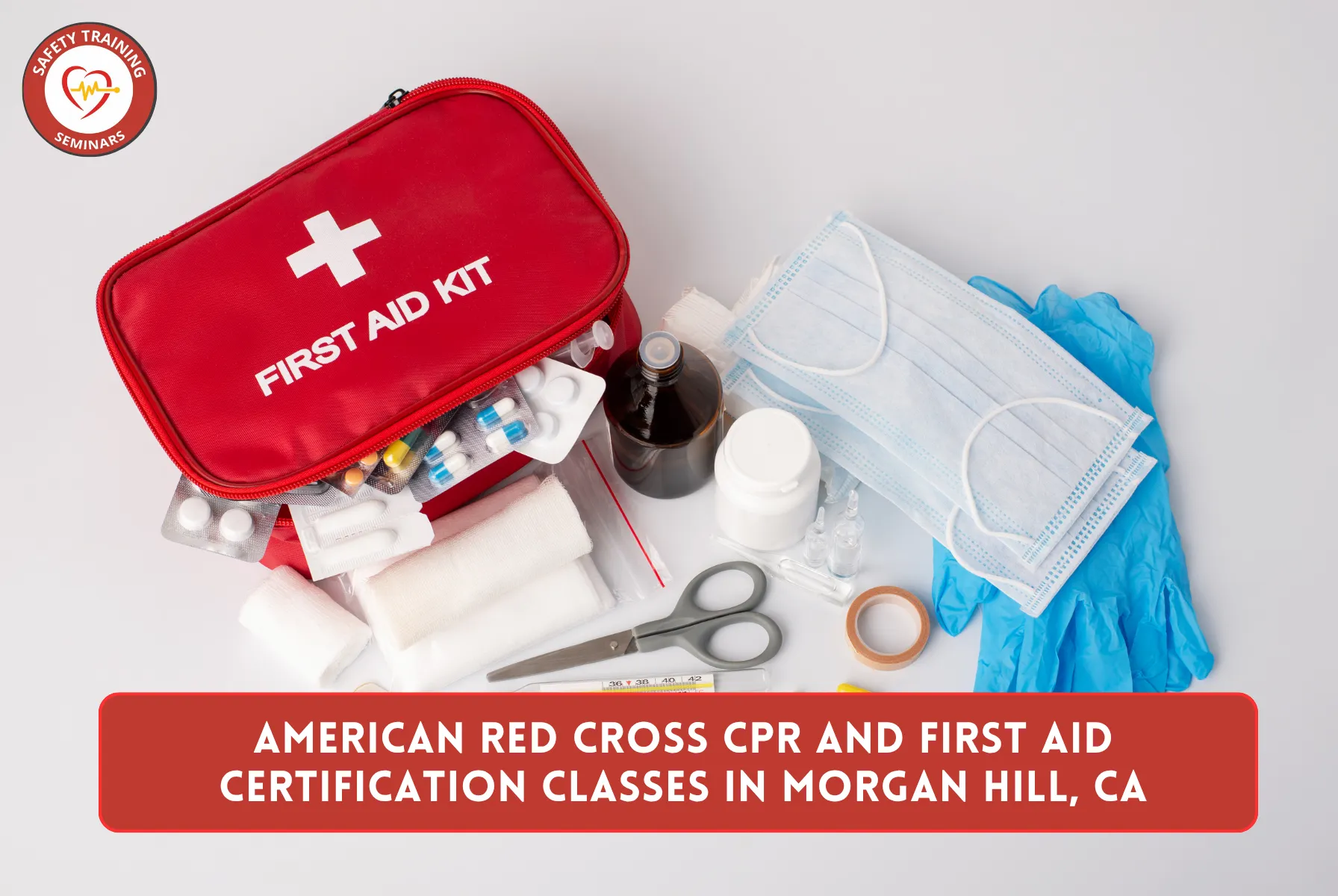
Plenty of Morgan Hill residents need training that has nothing to do with a hospital badge. Youth sports coaches, preschool and daycare staff, gym instructors, restaurant and retail teams, and parents caring for aging relatives all fall into this group. CPR and AED courses teach chest compressions, rescue breaths, and safe defibrillator use, while First Aid covers wounds, burns, and other everyday injuries. The material assumes no medical background. If your job requires it, ask which course and card your employer will accept, since versions differ. For local options, CPR and First Aid classes in Morgan Hill are a common place to start.
Basic Life Support (BLS)
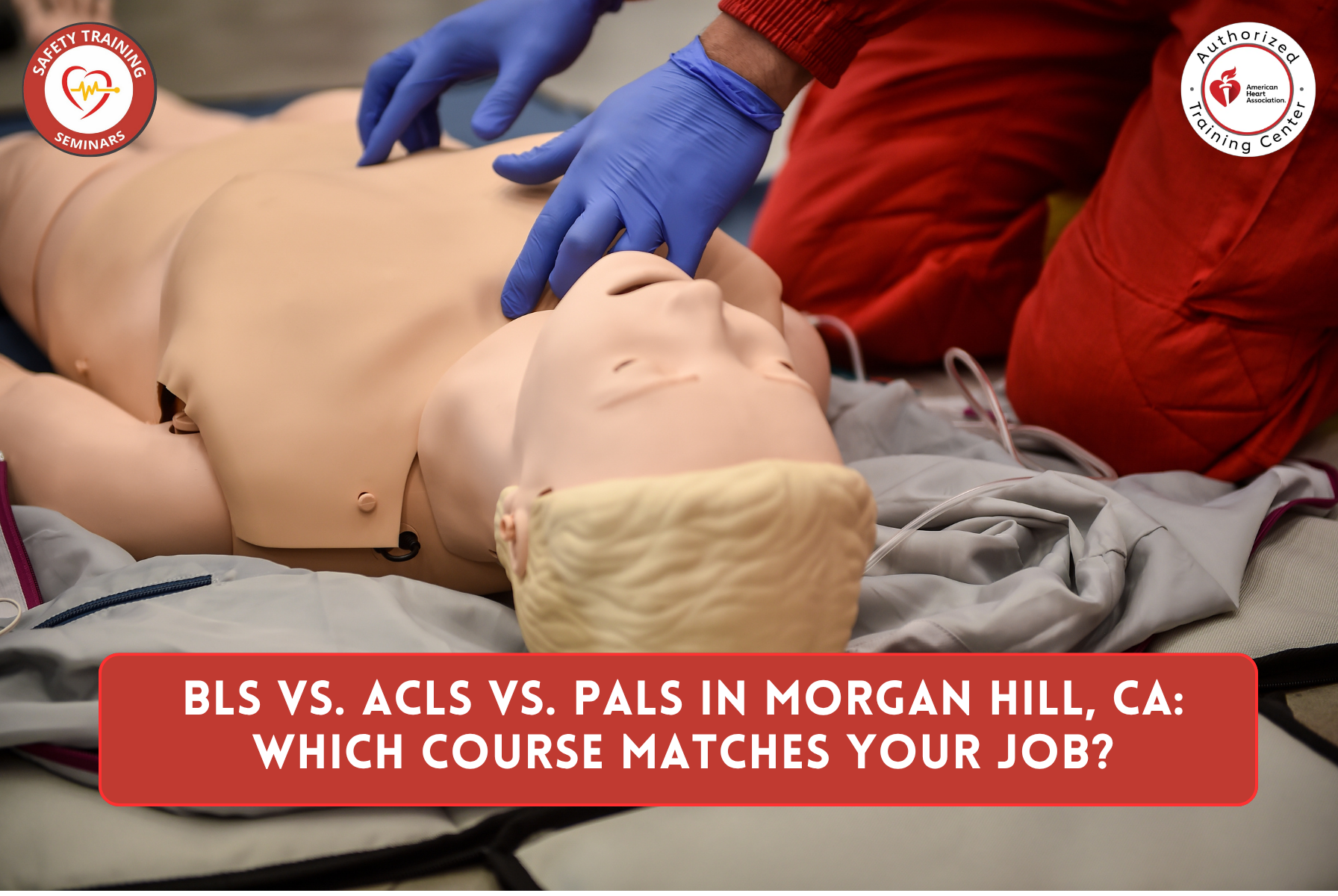
BLS is the provider-level foundation for people whose work may call for a stronger response than public CPR — medical assistants, dental office staff, EMTs, paramedics, nurses, and clinical students among them. It layers in team resuscitation, airway skills, and a more clinical approach. Not every healthcare position requires it the same way, so check what your program or workplace expects before enrolling.
Advanced Cardiovascular Life Support (ACLS)
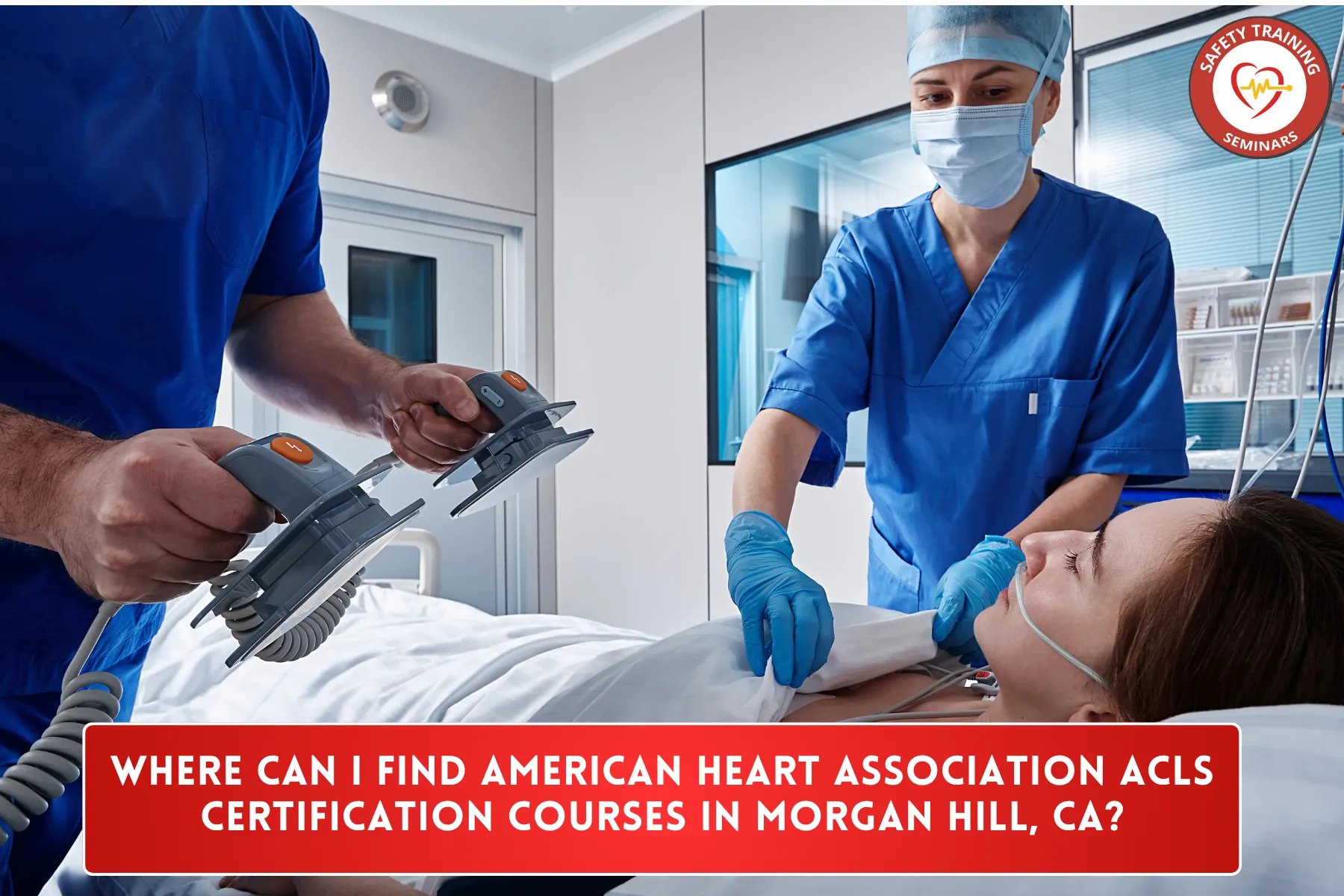
ACLS is for clinicians who help manage adult cardiac emergencies — emergency and critical-care nurses, physicians, and paramedics among them. It builds on BLS with cardiac rhythm interpretation, medication protocols, and leading a resuscitation team. Whether you need it, and how current it must stay, depends on your role and setting, so treat ACLS as job-specific.
Pediatric Advanced Life Support (PALS)
PALS centers on emergencies involving infants and children and is meant for providers who may treat young patients — pediatric nurses, urgent-care staff, and clinicians in units that see kids. The self-guided path follows the same pattern: independent study, then an in-person skills session. If pediatric care is part of your work, confirm whether PALS is on your list.
Choosing the Course That Matches Your Role
Signing up for the wrong class is easy to avoid. Here’s the usual audience for each:
| Course | Typical audience |
| CPR/AED | General public and workplace staff |
| First Aid | Schools, childcare, workplaces, community members |
| BLS | Healthcare professionals and clinical students |
| ACLS | Clinicians managing adult cardiac emergencies |
| PALS | Clinicians managing pediatric emergencies |
Read this as a starting point, not a legal standard. What you need can depend on your employer, school, licensing board, or healthcare organization, so verify the required course and format before you pay. If you’re unsure, the department requesting your certification can tell you which one to complete.
Self-Guided vs. Classroom vs. Online-Only
The three formats aren’t interchangeable:
- Self-Guided Learning combines independent online study with an in-person skills session for provider courses. You set the reading pace but still prove your skills in person.
- Traditional classroom training keeps everything in one scheduled, instructor-led session — a good fit for people who learn better with a teacher present.
- Online-only training happens entirely on a screen. It can suit some general-awareness courses, but it often won’t meet a requirement that calls for a hands-on skills check, which is common at the provider level.
None is automatically best. The right fit depends on your schedule, how you learn, and what your certifying body will accept.
Why Morgan Hill Learners Reach for a Flexible Format
Local life here doesn’t always cooperate with a fixed class time. A nurse commuting up 101 to a South Bay hospital, a parent juggling school pickups, a coach fitting certification around games, or a small-business owner training staff between shifts can all handle the online portion whenever a gap opens up. Someone coming from Gilroy, San Martin, or Hollister can finish the coursework at home and make one trip for the skills session instead of losing a full day. Renewals especially benefit — when the material is familiar, moving quickly through the reading and focusing on the hands-on check saves real time. Anyone weighing provider tracks can review the BLS, ACLS, and PALS course options in Morgan Hill to see what suits their role.
Safety Training Seminars in Morgan Hill
If you’re looking into local training, Safety Training Seminars has a Morgan Hill location at 17760 Monterey Road, Suite C-3, Morgan Hill, CA 95037. When you evaluate it, focus on the details that affect your certification: the course you need, whether it includes the hands-on skills required for your role, and what card or eCard you’ll receive when you finish. Confirm the course format and make sure the completion documentation will be accepted by your employer or school before registering. Matching the class to your actual requirement is the most useful thing you can do when choosing where to train.
Frequently Asked Questions
Can I finish the online part before I schedule my skills session in Morgan Hill? Yes. The normal order is to complete the cognitive module first, then attend the in-person skills session. That sequence is what makes the format workable for commuters and busy parents, since the reading gets done at home and the on-site visit stays short. Confirm the exact steps with the provider for your course.
Does Self-Guided BLS still require hands-on skills? Yes. For BLS and the other provider courses, the online portion is only half of it — you still complete an in-person skills check. The self-guided label describes how you study, not a way to skip the physical demonstration that certification requires.
I live near Morgan Hill — can I use a local training center? Yes. Learners from Gilroy, San Martin, Hollister, and other nearby communities can train at a Morgan Hill location, often a practical midpoint along the 101 corridor. Still, confirm course availability and scheduling before you drive over.
How do I know whether I need BLS or a general CPR class? It comes down to your role. BLS is generally for healthcare workers and clinical students, while CPR/AED classes serve the public and most workplaces. If an employer, school, or licensing body is asking, have them tell you which course and card they accept so you don’t pick the wrong one.
Is an online-only certificate enough for a clinical job? Usually not. Many provider roles require a hands-on skills check that a fully online course can’t deliver. If your position calls for BLS, ACLS, or PALS, verify whether an online-only certificate is accepted — in most clinical settings it won’t stand on its own.
Finding Your Next Step
Self-Guided Learning keeps the hands-on skills that many certifications demand, while an online-only course may leave them out. Before registering anywhere in Morgan Hill, nail down which course your employer, school, or licensing organization requires, then check that the format you pick includes those in-person skills. With the requirement settled, comparing what Safety Training Seminars offers nearby — and matching it to your role — makes the rest of the decision simple.